
Description
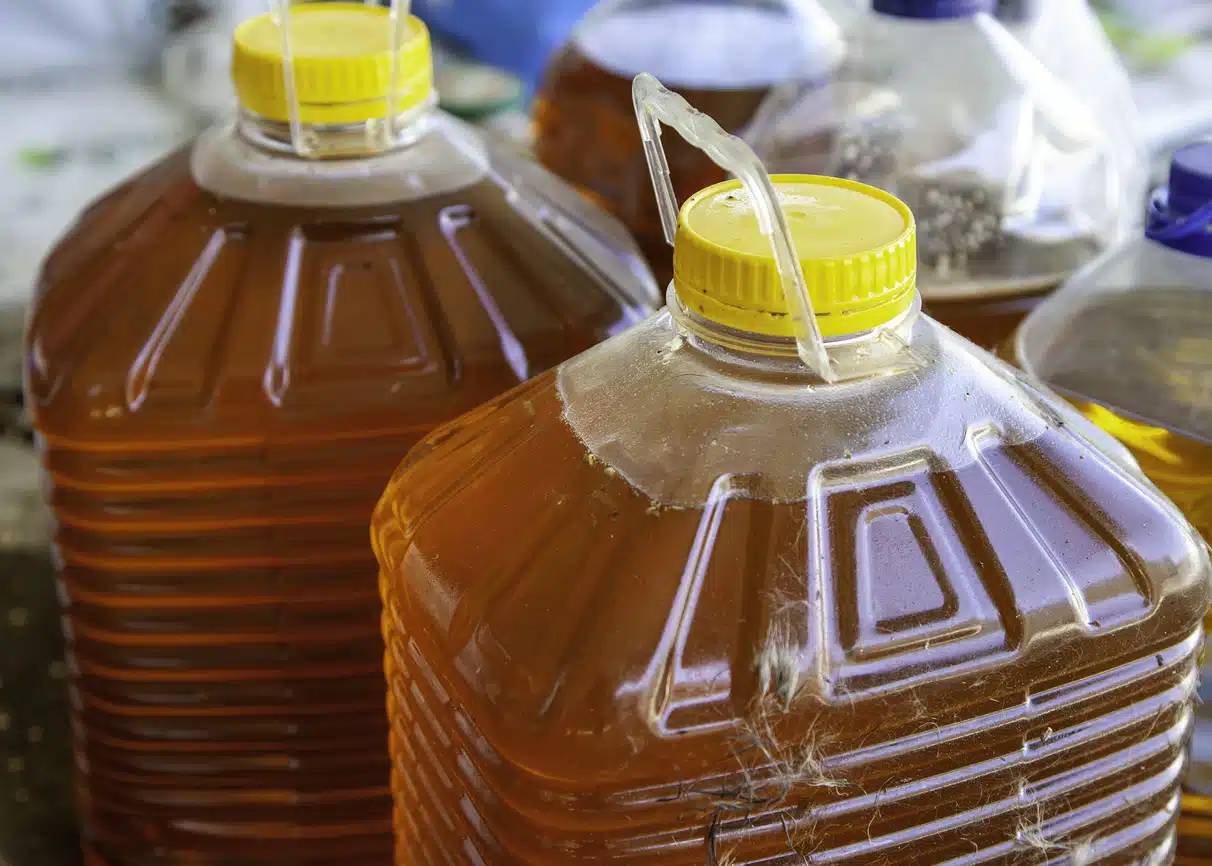
Used cooking oil is oil that has been utilized in cooking or frying food. Hence, Common types include vegetable oil, olive oil, canola oil, and animal fats like lard or butter. Over time, these oils degrade and become unsuitable for further cooking, leading to the question: what should be done with it?
Properties of Used Cooking Oils
Used cooking oil has several notable properties:
- Viscosity: It tends to become thicker after repeated use due to the breakdown of fats and the absorption of food particles.
- Flavor: The flavor can change significantly, especially if the oil has been used for frying strong-flavored foods.
- Chemical Composition: As it degrades, the oil can form harmful compounds, making it unsuitable for consumption.
The Environmental Impact of Improper Disposal of UCO
Why Disposal Matters
Firstly, Improper disposal of uco can have detrimental effects on the environment. When poured down drains or disposed of in landfills, used cooking oil can lead to:
- Water Pollution: Oil can clog sewage systems, leading to backups and contamination of water sources.
- Soil Contamination: When disposed of improperly, used oil can seep into the ground, affecting soil health and plant life.
- Wildlife Harm: Animals attracted to discarded oil, which can lead to ingestion and health issues.
Regulations and Guidelines
Nevertheless, Many regions have specific regulations regarding the disposal of used cooking oil. Hence, It’s essential to be aware of local guidelines to ensure compliance and promote environmental sustainability.
Safe Disposal Methods
1. Recycling Programs
Many communities offer recycling programs specifically for cooking oil. Moreover, These programs often convert used oil into biodiesel or other useful products. Check with local waste management facilities to find out if such a program is available in your area.
2. Containerize and Dispose
Furthermore, If recycling is not an option, you can containerize the oil in a sealed, leak-proof container. This method prevents spills and makes it easier to dispose of responsibly. Once sealed, you can:
- Throw It in the Trash: Many waste management services allow for small amounts of used cooking oil disposed of in the trash as contained.
- Check for Drop-off Locations: Some areas have designated drop-off locations for used cooking oil, particularly for large quantities.
3. Composting
As an avid gardener, used cooking oil in small amounts can be added to compost. However, it should be done cautiously:
- Mix it with dry materials to balance the moisture.
- Avoid using heavily processed or flavored oils.
4. Local Farms or Animal Feed
In some cases, local farms may accept used cooking oil for use in animal feed. Also, Always check with farmers to ensure that they can safely use it and that the oil meets health regulations.
Repurposing Used Cooking Oils
Repurposing used cooking oil is a fantastic way to reduce waste and create value from what would otherwise be a disposal problem. Here are some creative and practical ways to repurpose used cooking oil:
1. Biodiesel Production
Used cooking oil also converted into biodiesel, a renewable energy source. Thus, This process involves a chemical reaction called transesterification, which converts the oil into fatty acid methyl esters (FAME). Biodiesel also used in diesel engines, contributing to reduced carbon emissions.
Benefits of Biodiesel
- Reduced Greenhouse Gas Emissions: Biodiesel can lower emissions compared to fossil fuels.
- Energy Independence: Utilizing locally sourced oil can reduce reliance on imported fuels.
2. Homemade Soap with Used Cooking Oils
More so, Making soap from used cooking oil is an eco-friendly project that anyone can undertake. The saponification process transforms fats into soap when combined with lye.
Basic Soap-Making Steps
- Filter the Oil: Remove any food particles.
- Mix with Lye: Carefully combine the filtered oil with a lye solution.
- Customize: Add essential oils for fragrance or colorants for visual appeal.
- Cure: Allow the soap to harden for several weeks before use.
3. Oil Lamps
Used cooking oil can serve as fuel for oil lamps, providing a sustainable lighting option for indoor or outdoor settings.
DIY Oil Lamp Instructions
- Materials Needed: A container, wick, and used cooking oil.
- Assembly: Fill the container with oil, insert the wick, and light it up!
4. Lubricants
Used cooking oils, repurposed as a lubricant for non-critical applications, such as squeaky hinges or rusted tools. However, it’s essential to ensure that the oil is clean and free from contaminants.
5. Pest Control
A mixture of used cooking oil, water, and a few drops of dish soap can create an effective pesticide. This solution can help manage pests on plants without resorting to harsh chemicals.
6. Craft Projects
Get creative! Used cooking oil more so, used in various craft projects, such as:
- Oil Paints: Mix it with pigments for artistic projects.
- Furniture Polish: Combine with vinegar and lemon juice for a natural polish.
Health Considerations of UCO
Dangers of Reusing Oil
While repurposing used cooking oil has its benefits, it’s essential to understand the health implications of reusing oil for cooking:
- Toxic Compounds: Reusing oil multiple times can lead to the formation of harmful compounds like acrylamide, which associated with health risks.
- Flavor Degradation: The quality and taste of food can deteriorate when cooked in old oil.
Best Practices for Oil Use
- Limit Reuse: Try to limit the number of times you reuse. Generally, oil can be reused for similar types of cooking.
- Filter and Store: Always filter the oil after use and store it in a cool, dark place to extend its shelf life.
Reviews
There are no reviews yet.